Stillness Is the New Grind: How Gen Z Turned Doing Nothing Into the Most Radical Statement of the Decade
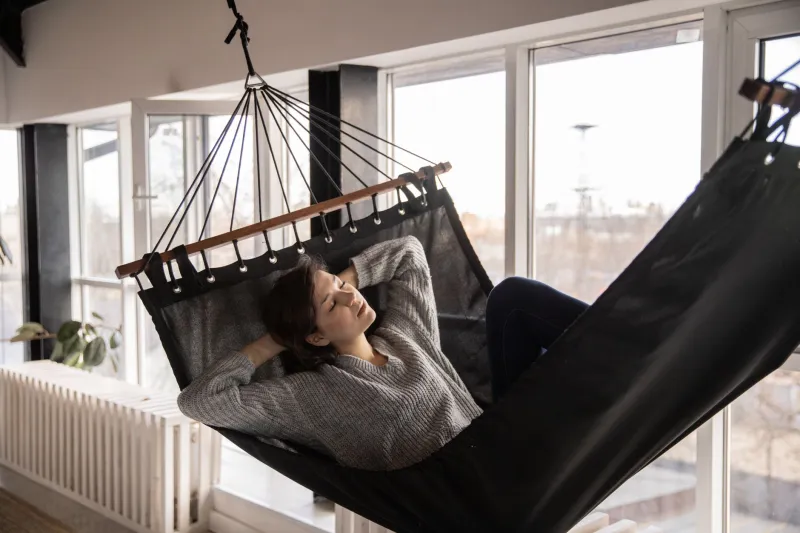
Somewhere between the fourth Gary Vee motivational clip and the millionth LinkedIn post about someone's 'morning routine that changed everything,' Gen Z collectively put down their phones, stared at the ceiling, and said: no thanks.
This wasn't laziness. It wasn't burnout — or at least, not just that. It was something quieter, more deliberate, and honestly way more interesting. It was a full-on cultural rejection. A soft, steady middle finger aimed directly at the hustle-porn industrial complex that had been running the show for the better part of two decades.
And now? Stillness is having its moment. Not the performative kind. The real kind — and that distinction matters more than almost anything else.
The Hustle Era Had a Good Run. Then It Didn't.
To understand where Gen Z is headed, you have to understand what they grew up watching. Millennials — bless them — inherited a world that told them passion plus relentless productivity equaled success. They turned side hustles into personality traits. They glorified the grind so thoroughly that rest became something you had to earn, not something you were simply allowed to have.
Then social media poured jet fuel on the whole thing. Suddenly, it wasn't enough to be busy — you had to be visibly busy. You had to document the hustle, brand the hustle, monetize the hustle. Your calendar wasn't just a scheduling tool; it was proof that you mattered.
Gen Z watched this unfold in real time, often from their childhood bedrooms. They saw the burnout. They saw the anxiety spiral. They saw people chasing an idea of success that kept moving the goalposts every time someone got close. And a significant chunk of them decided, pretty early on, that they weren't interested in playing that game.
Boredom as a Flex
Here's the thing about boredom that nobody was talking about for a while: it's actually kind of rare now. Like, genuinely rare. Every idle moment has a scroll attached to it, a notification pulling you back into the stream. To be bored — truly, uninterruptedly bored — requires an almost radical act of resistance against the entire architecture of the attention economy.
Gen Z figured this out. And instead of treating boredom as a problem to solve, a growing cultural cohort is treating it as a signal. Boredom means you're not optimizing. You're not performing. You're not monetizing your downtime or turning your hobbies into a content pipeline. You're just existing, and in 2024, that is genuinely subversive.
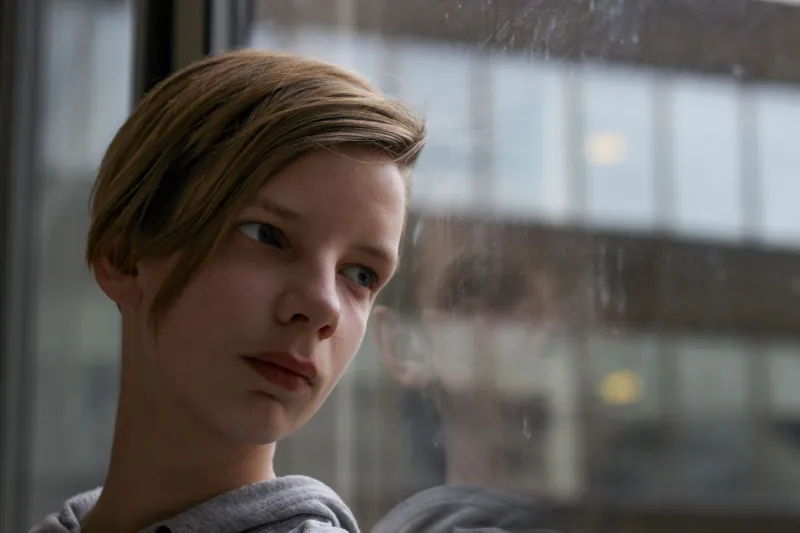
You see it in the aesthetic choices too. The slow-living content that quietly dominates certain corners of TikTok and Instagram isn't about productivity hacks or morning routines — it's rain on windows, steam rising from a coffee cup, an afternoon that stretches out with no agenda attached. The visual language of rest, deliberately framed as aspirational.
Strategic Non-Engagement Is the New Power Move
Let's talk about visibility, because this is where the shift gets really interesting.
For a long time, the internet rewarded presence. More posts, more stories, more updates — the algorithm loved it, and personal brands were built on the back of relentless output. To disappear from the feed was to lose relevance. To go quiet was to fall behind.
Gen Z is flipping that script. Strategic non-engagement — choosing not to post, not to respond, not to participate in every trending conversation — has become its own form of cultural capital. The people who aren't constantly broadcasting their lives carry a certain mystique that over-sharers simply can't manufacture.
This shows up in everything from how younger people use social media (more private accounts, more close-friends stories, more intentional curation) to how they talk about their careers. There's a growing resistance to the idea that your job title should be the first thing anyone knows about you. That your LinkedIn should function as a highlight reel of your relentless ambition. That your worth is measured in output.
The cool move, increasingly, is to be a little unreachable. A little unbothered. Not in a detached, I'm-above-it-all way — but in a genuinely settled, I-know-who-I-am-without-needing-to-prove-it way.
The Career Piece Nobody Wants to Say Out Loud
Here's where it gets a little spicy, because the cultural shift toward stillness is starting to bleed into actual career choices — and not everyone is comfortable with that.
The rise of the 'lazy girl job' conversation (a term that's reductive but pointed at something real), the ongoing discourse around 'quiet quitting,' the Gen Z employees who refuse to answer emails after 6 p.m. — these aren't isolated incidents. They're data points in a larger pattern of a generation recalibrating what work is supposed to mean in a life.
This isn't about not caring. Most of the Gen Z workers rewriting these norms care deeply about doing good work. What they're rejecting is the expectation that work should colonize every waking hour, that ambition should be performed constantly, that 'going above and beyond' should be the baseline rather than the exception.
They watched the gig economy promise freedom and deliver precarity. They watched passion projects become content mills. They watched hustle culture eat people alive and then blame the people for not hustling harder. The lesson landed.
Rest as Identity, Not Recovery
Maybe the most profound piece of this shift is the way rest is being reframed — not as something you do after you've earned it, but as something that's simply part of being a whole person.
Previous generations treated rest as recovery, a pit stop on the way back to productivity. Gen Z is increasingly treating it as identity. The ability to be still, to sit with yourself without filling every moment with noise, to let an afternoon just be an afternoon — these are being quietly repositioned as markers of emotional maturity and self-possession.
It's a move that's both deeply personal and pointedly political. In a culture that profits from your attention, choosing to withhold it is an act of autonomy. In an economy that wants to monetize every skill you have, refusing to hustle your hobbies is a form of protection. In a social media landscape that thrives on oversharing, staying quiet is a power play.
What Comes Next
None of this means ambition is dead or that Gen Z has opted out of wanting things. What's shifting is the aesthetic and ethics of wanting — the idea that how you pursue something matters as much as what you're pursuing, and that a life lived at a sustainable pace is not a consolation prize.
The next few years are going to be interesting to watch. As Gen Z moves further into the workforce and further into cultural influence, the values baked into this stillness movement are going to collide with systems that were built entirely on the opposite premise.
But if the last few years have taught us anything, it's that when this generation decides something is the move, the culture tends to follow. And right now, the move is to slow down, log off, and let the ceiling be just a ceiling for a while.
That's not giving up. That's growing up — just on completely different terms than anyone expected.