From Liability to Legend: How Anxiety Became Gen Z's Most Unexpected Superpower
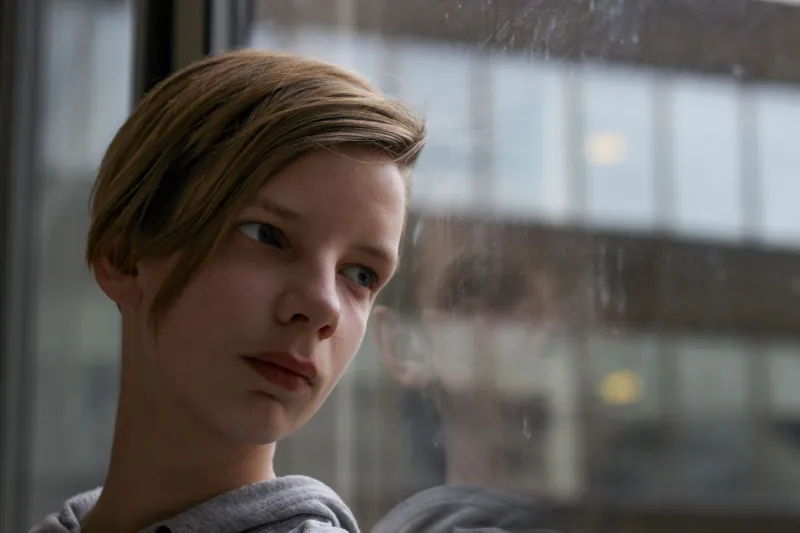
There's a specific kind of kid every millennial remembers — maybe they were that kid. The one who rehearsed conversations in their head before making a phone call. Who replayed every social interaction like game tape, searching for the exact moment they said something weird. Who felt the room's emotional temperature shift before anyone else noticed the tension. Back then, that kid was labeled anxious, awkward, too much. Now? That kid is basically the protagonist of the entire internet.
Something genuinely seismic has happened to the way Gen Z understands social anxiety. What used to be a liability — something to mask, medicate into silence, or white-knuckle through — is increasingly being reframed as a kind of emotional superpower. Hyperawareness, overthinking, sensitivity to social nuance: these traits are showing up not as confessions of weakness, but as credentials.
And the culture is absolutely eating it up.
The Overthinking Era Is Officially Here
Scroll TikTok for more than ten minutes and you'll find it — a whole ecosystem of content built around the anxious inner monologue. Creators narrating the seventeen-step mental spiral they went through before texting someone back. Videos titled things like "POV: you analyzed that conversation for six hours" racking up millions of views and comments that say, simply, me.
This isn't just relatability content for its own sake. It's a collective exhale. For a generation that grew up being told to calm down, loosen up, or just be normal, seeing the anxious brain celebrated rather than corrected hits different. The implicit message in all that viral overthinking content is powerful: your hyperawareness isn't a flaw in your wiring. It's proof that you actually feel things.
Dr. Devon Price, a social psychologist and author who writes extensively about neurodivergence and masking, has argued for years that many of the traits pathologized in anxious or neurodivergent people — intense focus, pattern recognition, deep empathy — are genuinely useful, even exceptional. Gen Z didn't read the academic literature, but they arrived at a similar conclusion through pure cultural osmosis.
When Vulnerability Becomes a Power Move
Here's the psychological twist that makes this whole shift so interesting: vulnerability used to signal weakness. Admitting you were anxious, that you overthought things, that social situations genuinely cost you something — that was the kind of information you buried. You performed confidence even when you were dissolving inside.
But something changed when authenticity became the dominant cultural currency online. Suddenly, the person willing to say "I was a nervous wreck about this" wasn't weak — they were real. And real, in the attention economy, is incredibly rare and therefore incredibly valuable.
There's actual psychology behind why this works. Research on what's called the "pratfall effect" suggests that admitting imperfection can actually increase how likable and trustworthy someone seems, particularly when they're otherwise perceived as competent. Gen Z creators who pair visible anxiety with genuine skill — the musician who shares their pre-show panic attack alongside a stunning performance, the entrepreneur who documents their anxiety spirals alongside their business wins — aren't undermining themselves. They're building a more complete, more compelling identity.
The anxious genius archetype is born: someone whose sensitivity and depth are because of their anxiety, not in spite of it.
The Brand Opportunists Showed Up Fast
Naturally, capital followed the cultural moment. Brands have been quick to adopt the language and aesthetic of anxious authenticity — and it's worth being clear-eyed about what that actually looks like in practice.
You've got wellness brands leaning into "anxiety-friendly" product positioning, selling everything from magnesium supplements to "calm" playlists as tools for the sensitive soul. Fashion labels have picked up on the anxious intellectual aesthetic — oversized layers, muted palettes, the visual language of someone who dresses for comfort because the world is genuinely overwhelming. Even productivity apps are marketing themselves to the "overthinker," promising to turn your chaotic, hyperactive brain into an organized asset.
None of this is inherently evil. But there's a meaningful gap between celebrating anxiety as a cultural identity and actually supporting the people who live with it as a clinical reality. Anxiety disorders affect roughly 40 million adults in the US, making them the most common mental health condition in the country. For many people, anxiety isn't a quirky personality trait that makes them more interesting at parties — it's something that makes daily functioning genuinely hard.
The risk of the rebrand is that it aestheticizes a real condition without doing the harder work of reducing stigma around treatment, improving access to mental health care, or pushing back against the systemic pressures — academic, economic, social — that are making young Americans more anxious in the first place.
Celebrating the anxious genius is a lot more marketable than fixing the conditions that created them.
Masking Is Out. Naming Is In.
What's genuinely meaningful about this cultural moment, underneath the brand opportunism, is the shift away from masking. For decades — arguably centuries — the socially anxious, the neurodivergent, the emotionally hyperaware were trained to perform neurotypicality. To mimic ease they didn't feel. To suppress the tells that gave them away.
Gen Z, more than any previous generation, is actively naming their inner experience rather than concealing it. The vocabulary has expanded dramatically: masking, rejection sensitive dysphoria, hypervigilance, people-pleasing as a trauma response. These aren't clinical terms being deployed in therapy offices — they're showing up in Instagram captions and group chats and first-date conversations.
This is a real shift. Language shapes experience. When you have words for what you're going through, you're less alone in it. And when a generation decides collectively that the thing you've been ashamed of is actually a sign of depth rather than deficiency, that's not nothing.
The awkward kid who spent years wishing they could just relax is now being told, by the culture itself, that their particular brand of intensity was always a feature, not a bug.
The Line Between Reclaiming and Romanticizing
Still, it's worth holding two things at once. The reframing of anxiety as depth and intelligence is genuinely liberating for a lot of people who spent years feeling broken. AND it can slide into romanticization that makes it harder, not easier, to seek help when anxiety is actually limiting your life.
The healthiest version of this cultural moment isn't "anxiety is actually cool and you should keep it" — it's "anxiety doesn't make you less worthy, less intelligent, or less lovable, and you deserve support that actually helps you."
Gen Z is doing the hard work of destigmatizing mental health conversations in ways that would have been unthinkable even fifteen years ago. That's genuinely worth celebrating. The next step is making sure the conversation doesn't stop at the aesthetic — and starts demanding the structural support, accessible therapy, and systemic change that would make the anxious brain not just celebrated, but actually cared for.
The revenge of the awkward kid is real. Let's just make sure it doesn't stop at the rebrand.