Cringe Is Currency: How Gen Z Turned Social Awkwardness Into the Internet's Hottest Power Move
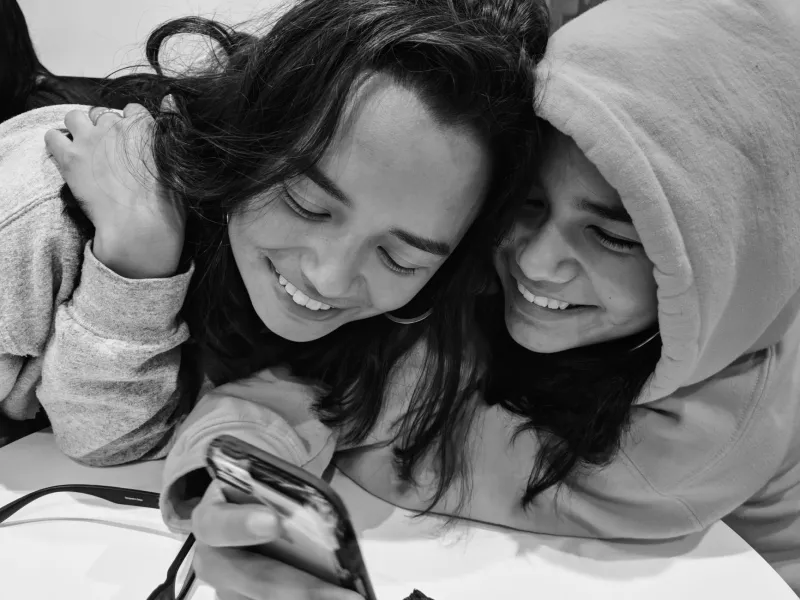
There's a specific kind of video taking over TikTok right now. Someone fumbles their words mid-sentence and just... keeps going. A creator nervously laughs at their own joke before anyone else does. A person films themselves visibly spiraling before a social event, then posts the whole unedited thing. No cut. No filter. No redemption arc where they pull it together at the end.
And the comments? Absolutely flooded with love.
Something genuinely strange and kind of beautiful is happening in internet culture. Awkwardness — the real, squirm-in-your-seat, want-to-evaporate kind — has stopped being something people edit out. It's become the whole point.
The Polished Internet Had a Reckoning Coming
For a long time, the aspirational influencer aesthetic dominated everything. You know the vibe: golden-hour lighting, casually expensive outfits, a life that looked effortless because someone spent three hours making it look that way. The algorithm rewarded confidence, beauty, and the appearance of having it all figured out.
But somewhere along the way, audiences started clocking the performance. The more flawless a creator looked, the more hollow the whole thing felt. Trust eroded. Parasocial relationships started feeling transactional. People were watching influencers the way you watch a commercial — aware the whole time that something is being sold to you.
Gen Z, who grew up with an almost preternatural ability to detect inauthenticity, started checking out. And then, in the space that opened up, something unexpected moved in: the awkward kids.
Who's Actually Leading This
Creators like Caitlin Reilly built massive followings doing character work that leans hard into social discomfort — the overly enthusiastic coworker, the girl who overshares at the wrong moment, the person who laughs too loud and then immediately regrets it. The joke is never at the character's expense. The joke is that we all are that character, and pretending otherwise is the real embarrassment.
Then there's the wave of "social anxiety content" — creators who film themselves before phone calls, dissecting the dread of a simple task most adults treat as nothing. Or the people who post their genuine, unscripted reactions to things: the flinch, the nervous giggle, the awkward pause that goes on two seconds too long. These videos rack up millions of views not despite their discomfort but because of it.
Even outside of TikTok, you can feel the shift. Quinta Brunson's whole energy — earnest, slightly nerdy, openly excited about things — is a direct counterpoint to the cool, detached celebrity persona that dominated the 2010s. Ice Spice built a fanbase partly on a certain unbothered awkwardness that reads as completely genuine. The "it" factor right now isn't sleekness. It's the sense that someone isn't trying to be anything other than exactly what they are.
Brands Are Trying to Buy In (With Mixed Results)
Where the people go, the brands follow — and this trend is no exception. Some companies have genuinely leaned into awkward, lo-fi, self-aware content with real success. Duolingo's unhinged TikTok presence, built on weird humor and a mascot that acts deeply unwell, became a case study in how to connect with Gen Z by abandoning dignity entirely.
Wendy's, Scrub Daddy, and a handful of other brands have leaned into the bit — posting content that feels almost deliberately bad, or that breaks the fourth wall in ways that acknowledge the inherent weirdness of a corporation trying to be your friend online.
But for every brand that pulls it off, there are ten that don't. The difference is usually whether the awkwardness feels organic or engineered. Gen Z can smell a focus-grouped "relatable moment" from miles away, and nothing lands worse than a brand performing vulnerability it clearly doesn't feel. Cringe, when it's manufactured, just becomes cringe in the original, bad sense of the word.
What This Is Actually About
On the surface, this looks like a trend. Dig a little deeper and it starts to look like a value system.
For a generation that came of age during a mental health crisis — one that unfolded largely in public, on the same apps where everyone was supposed to look amazing — the performance of okayness became its own kind of trauma. There's a reason anxiety content resonates so deeply. It's not just relatable. It's validating in a way that polished content structurally cannot be.
When someone posts their nervous spiral before a social event and the comments fill up with "wait this is literally me," something real is happening. The awkward moment isn't just entertainment. It's evidence that the experience of being a slightly-overwhelmed human in 2024 is shared. That you're not broken. That the gap between how you feel and how everyone else looks is a lie the algorithm told you.
There's also a quiet political dimension to this. Rejecting the polished aesthetic is, in part, a rejection of the economics behind it — the brand deals, the sponsored content, the whole machinery that turns personal presentation into a revenue stream. Awkwardness doesn't monetize cleanly. It's harder to attach a product to. In some ways, leaning into cringe is a small act of resistance against the influencer-industrial complex.
The Paradox Nobody Wants to Acknowledge
Here's the thing, though: the moment awkwardness becomes a trend, it becomes a performance too. Some creators are now very deliberately crafting "unpolished" content with the same intentionality that went into the ring-light era. The fumbled line is planned. The nervous laugh is a choice. The messy room in the background is art-directed.
And honestly? That's kind of fine. Culture has always worked this way — authenticity gets discovered, celebrated, commodified, and eventually hollowed out. The question is whether the underlying values survive the cycle.
Right now, they mostly seem to be. Even when the awkwardness is performed, the performance is pointing toward something true: that people are tired of aspiring to a version of themselves that requires a lighting setup and a PR strategy. That connection feels better than admiration. That being witnessed in your mess, rather than your highlight reel, is what actually makes people feel less alone.
So Where Does This Go
If the trend holds — and the cultural appetite for it suggests it will, at least for a while — expect to see more brands abandoning the aspirational playbook, more creators building audiences on specificity and discomfort rather than broad appeal, and more cultural space for the kind of person who would have been told, not long ago, to clean up their act before going online.
The awkward kids ran the internet into the ground with perfection. Now they're taking it back, one nervous laugh at a time.
And honestly? It's the most interesting thing to happen to creator culture in years.