Muted Flex: How the Ultra-Wealthy Quietly Abandoned Color and Made Beige the New Power Move

Photo by Photo by lena ruffinatto on Unsplash on Unsplash
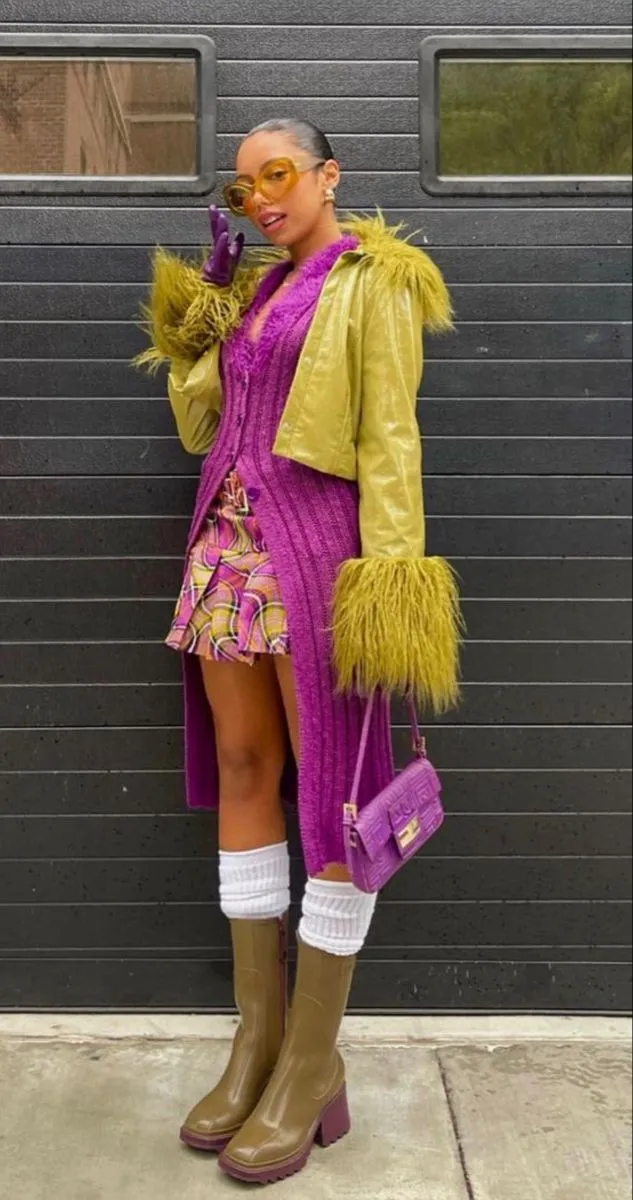
There was a moment — somewhere between the pandemic reopening and the TikTok boom — when wearing a neon co-ord set felt genuinely radical. Dopamine dressing swept through every corner of the internet, promising that bold color was a form of self-care, a middle finger to the gray years we'd just survived. Mustard yellows, electric blues, dopamine-spiking fuchsias. Your wardrobe was supposed to be therapy.
But something interesting is happening at the top end of the market. The wealthiest, most culturally plugged-in segment of Gen Z and millennial consumers is quietly stepping back from the color wheel — and in doing so, making restraint feel more aspirational than any statement sleeve ever could.
When Everyone's Doing It, It Stops Being a Statement
Fashion has always operated on a kind of trickle-down logic: a look originates in a niche space, gets adopted by early adopters, then slowly filters down until it lands on a Forever 21 rack and promptly dies. Dopamine dressing followed that exact arc — just faster, because the internet compressed the whole cycle into roughly eighteen months.
By the time your local Target was stocking cobalt-blue linen sets and your mom was asking about "that color therapy fashion thing," the cultural signal had already been diluted beyond recognition. For the crowd that uses fashion as a genuine marker of social capital, widespread adoption isn't a victory — it's a warning sign.
Enter quiet luxury. Or rather, re-enter. The aesthetic isn't new — think old-money families who never needed to announce their wealth because everyone already knew. But it's having a very specific cultural resurgence right now, and it's not a coincidence that it's rising in direct proportion to how mainstream maximalism has become.
The Palette of Restraint
What does this actually look like on the street — or more accurately, on the feed? We're talking oat-colored cashmere, stone-washed linen in sand and ivory, perfectly cut trousers in charcoal or warm grey. The brands leading this charge — The Row, Loro Piana, Brunello Cucinelli — don't do logomania. They don't do bold. What they do is fabric quality so extraordinary it communicates everything without saying a word.
This is the new status code: if you have to ask how much it costs, you're already outside the club. The cut is impeccable, the material drapes differently, and there is absolutely nothing about the piece that will go viral on TikTok. That's almost entirely the point.
For the algorithm-native generation, choosing something un-photographable is its own kind of power move. It says: I don't need your engagement. I don't need the dopamine hit of a trending audio. My wardrobe isn't content — it's capital.
Wealth Signaling in the Age of the Algorithm
Here's where it gets genuinely interesting from a cultural standpoint. We're living through a moment where the internet has made visibility the default currency. Clout, followers, algorithmic reach — these are the metrics that supposedly matter. And yet, the people with the most actual economic power are increasingly opting out of that visibility game entirely.
There's a term sociologists use — "inconspicuous consumption" — that describes the way truly wealthy people have historically avoided obvious displays of status. Research from the University of Chicago found that higher-income consumers consistently preferred subtler, less logoed goods compared to aspirational middle-class buyers who leaned into recognizable branding. What's new is that this dynamic is now playing out at the generational level, in real time, and it's being documented (ironically) on the very platforms it's pushing back against.
The Succession effect is real. The HBO show's costuming — deliberately beige, deliberately boring to an untrained eye — became a masterclass in how power dresses when it has nothing to prove. Stylist Michelle Matland's choices for the Roy family weren't accidental; they were a thesis statement about what wealth looks like when it's generational rather than aspirational.
What This Means for the Rest of Us
So where does this leave the dopamine dressers? Honestly? Still valid. Fashion doesn't have to be a status competition, and dressing for joy is a legitimate, beautiful reason to get dressed in the morning. The cultural critique here isn't about individual choices — it's about understanding what's driving the backlash and what it reveals about how class anxiety operates in America right now.
The uncomfortable truth is that "quiet luxury" as a trend is already being democratized, which means it will inevitably face the same dilution problem as everything before it. ZARA has a quiet luxury edit. Amazon is full of "The Row-inspired" basics. The aesthetic is already being mass-produced, which means the truly affluent will need to find a new code — and they will, they always do.
What's worth paying attention to is the underlying mechanism: the way fashion functions as a language, and how that language shifts when the dominant dialect gets too crowded. Right now, the message being sent at the top of the market is clear. Loud is for people who need to be heard. Quiet is for people who don't.
And in 2025, apparently, nothing says money like not trying.