Loud and Proud: How Gen Z Is Torching Minimalism and Embracing the Art of Too Much
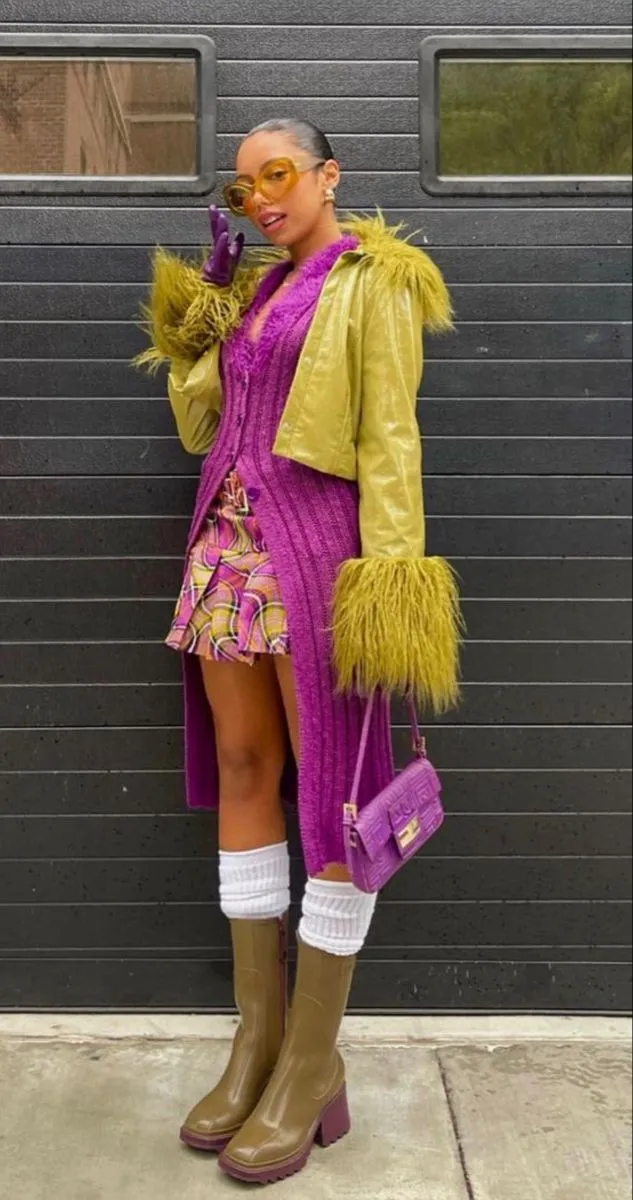
Photo: Gen Z maximalist fashion colorful bold outfits street style, via i.pinimg.com
For a hot minute, the internet was obsessed with looking like you weren't trying. Soft neutrals. Understated cashmere. The kind of outfit that whispered money instead of screaming it. Quiet luxury had a chokehold on fashion culture from roughly 2022 through 2024, and honestly? It made sense at the time. After years of pandemic chaos and social media overload, restraint felt like a power move.
But something shifted. Slowly at first — a rhinestone here, a neon bag there — and then all at once. Gen Z is officially over the whisper aesthetic, and they're replacing it with something that shouts from the rooftop. Welcome to the maximalist era: messy, layered, referential, and completely intentional in its refusal to be subtle.
The Beige Burnout Is Real
Let's be honest: quiet luxury always had a bit of a gatekeeping problem. The whole point was that real wealth didn't need to announce itself — which, fine, but it also meant the aesthetic was weirdly aspirational in a way that felt exclusionary. You had to already know what a Loro Piana baseball cap cost to understand why it was a flex. For a generation that grew up on TikTok, where context collapses and everyone's watching, that kind of coded signaling started to feel more exhausting than cool.
There's also the small matter of aesthetic fatigue. When every influencer, every brand mood board, and every apartment tour starts looking like a variation of the same greige fever dream, the visual sameness becomes its own kind of noise. Gen Z — a generation hardwired to spot inauthenticity from a mile away — clocked the irony: quiet luxury had become its own kind of performative conformity. The rebellion wasn't going to be quieter. It was going to be louder.
Enter Chaotic Chic
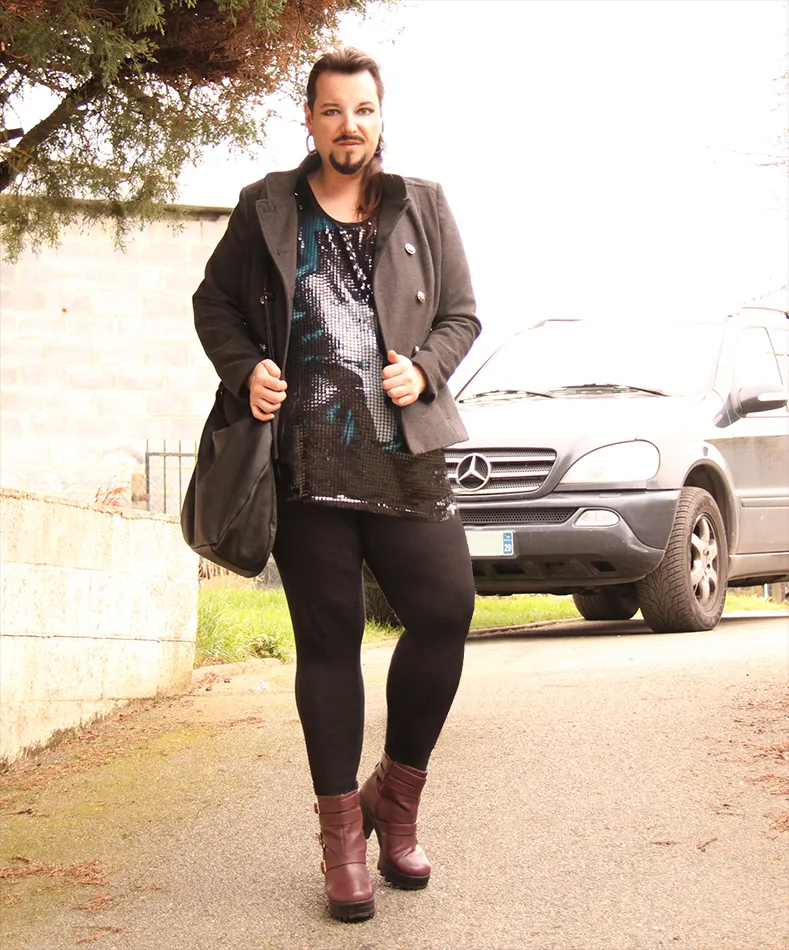
The micro-trend making the biggest waves right now is what stylists and culture commentators are calling chaotic chic — and the name says it all. Think clashing florals layered over plaid, vintage band tees tucked into sequined skirts, chunky platform boots worn with sheer baby-doll dresses. There's no singular reference point, no clean throughline. The whole aesthetic is built on the idea that rules are boring and that personal style is a collage, not a formula.
This isn't sloppiness — it's curation with the guardrails removed. Chaotic chic requires a genuine fashion vocabulary because you have to understand what you're subverting. It's the kind of look that takes three hours to assemble and is supposed to look like it took three minutes. The irony is deeply intentional.
Creators like Wisdom Kaye and Emma Chamberlain (in her more recent, eclectic era) have been nudging their audiences in this direction for a while. But the real movement is happening at street level — in thrift store hauls, in DIY denim customization, in the resurgence of craft-based personalization like beading, embroidery patches, and hand-painted jackets.
Dopamine Dressing Gets an Upgrade
Dopamine dressing — the idea that wearing bold, joyful colors can literally improve your mood — was already having a moment post-pandemic. But the 2025 version of it is less about a single bright color pop and more about full sensory commitment. We're talking color-blocked head-to-toe looks in shades that should theoretically clash but somehow don't. Electric blue with chartreuse. Hot pink with burnt orange. Lavender and red.
Psychologists who study fashion behavior point to something interesting here: during periods of collective anxiety or economic uncertainty, bold dressing tends to spike. It's a form of agency — a way of asserting control over your immediate environment when the bigger picture feels out of reach. For a generation navigating student debt, a volatile job market, and a 24/7 doom scroll, getting dressed in a way that demands attention is a small but meaningful act of self-determination.
Brands are catching on. Retailers like Zara and ASOS have quietly (pun intended) pivoted their trend forecasting away from the minimalist capsule wardrobe messaging that dominated their feeds two years ago. Independent labels on Depop and Etsy are seeing surging demand for handmade, one-of-a-kind pieces that prioritize personality over polish.
Y2K Excess: The Return of the Return
If you thought the Y2K revival peaked in 2022, think again. The second wave is hitting differently because it's less about nostalgia and more about reclamation. Gen Z isn't just resurrecting low-rise jeans and butterfly clips — they're pulling from the maximalist excess of early-2000s pop culture and recontextualizing it as a form of cultural commentary.
There's something almost political about it. The early 2000s were a moment when fashion was unabashedly extra — think Paris Hilton's rhinestone everything, Destiny's Child's coordinated stage looks, the sheer audacity of a Von Dutch trucker hat. Quiet luxury, by contrast, feels like it belongs to a certain kind of millennial professional aesthetic: tasteful, LinkedIn-adjacent, emotionally restrained. Gen Z rejecting that framework isn't accidental. It's a generational flex.
The maximalist Y2K resurgence is also deeply tied to thrift culture and sustainability values. Buying secondhand and styling it boldly — rather than investing in expensive, understated new pieces — aligns with both budget realities and environmental consciousness. It's excess, but make it ethical.
Visibility as Rebellion
At its core, the shift from quiet luxury to loud maximalism is about something bigger than hemlines and color palettes. It's about who gets to take up space — and how. For years, the cultural messaging around aspiration was about refinement, restraint, and the erasure of anything that felt too much. Too ethnic, too queer, too working-class, too loud.
Maximalism, in its current Gen Z form, pushes back against all of that. Being visible — unapologetically, colorfully, chaotically visible — is the statement. It's fashion as identity politics, as joy, as refusal.
So if your wardrobe is starting to feel a little too coordinated, a little too safe, consider this your permission slip to go bigger. Layer more. Mix patterns. Wear the rhinestones. The quiet era had its moment. This one belongs to everyone who's done being subtle.