Trend Half-Life: Why Aesthetics Are Burning Brighter — and Burning Out Faster — Than Ever Before

Photo by Photo by Ceyda Çiftci on Unsplash on Unsplash
Remember when trends lasted a decade? Bell bottoms defined the seventies. Grunge owned the nineties. Even the early 2000s had a coherent, if deeply questionable, visual identity that persisted for years. Today, an aesthetic can be born on a Pinterest board on Monday, hit TikTok by Wednesday, get a Zara capsule collection by the following month, and feel deeply passé by the time that collection actually ships.
We are living through the era of the micro-trend, the niche aesthetic, the vibe cycle — and the speed at which we're burning through visual identities says something fascinating (and a little unsettling) about how Gen Z and millennials are relating to history, identity, and the concept of personal style.
The Acceleration Is Real, and It's Measurable
Fashion trend cycles used to operate on a roughly twenty-year delay — the idea being that a generation grows up, gains purchasing power, and reaches back to the era just before their time with fresh eyes and nostalgic warmth. That's why the eighties came back hard in the 2000s, and why nineties minimalism had its big revival in the 2010s.
But somewhere around 2020, the math stopped working. Y2K nostalgia hit while people who actually lived Y2K were still in their early thirties. Dark academia, cottagecore, and goblincore all peaked within the same eighteen-month window. Coastal grandmother — a vibe so specific it required a grandmother who vacations in Nantucket and owns a lot of linen — had a cultural moment in 2022 that felt complete within about six months. Grandpa core (chunky knits, orthopedic footwear, reading glasses as accessories) followed close behind.
Pinterest's own trend reports have noted the rise of "micro-aesthetics" — hyper-specific visual languages with dedicated communities that flare up and cool down in compressed timeframes. TikTok's search behavior data tells a similar story: aesthetic-related queries spike sharply, plateau briefly, and decline fast.
Why Is Everything Moving So Fast?
A few forces are converging here, and they're worth unpacking.
The algorithm rewards novelty. Both TikTok and Pinterest are built to surface fresh content, which means creators are incentivized to name, frame, and package new aesthetics constantly. The moment a vibe gets a label — "quiet luxury," "bloke-core," "tomato girl summer" — it becomes searchable, shareable, and immediately subject to the hype-to-fatigue pipeline.
Fast fashion industrialized the cycle. Brands like Shein can move from trend identification to product listing in days, not months. When a micro-aesthetic hits TikTok, affordable versions of its key pieces are available almost immediately. That accessibility speeds up both adoption and saturation — if everyone can wear the trend, it loses the subcultural cachet that made it feel special in the first place.
Gen Z treats aesthetics like playlists. Unlike previous generations who built a consistent personal style over years, many younger consumers approach fashion as a fluid, exploratory practice. An aesthetic isn't an identity — it's a mood. You can be cottagecore this season and clean girl next season and dark academia the season after that, and none of those choices have to add up to a coherent whole. Style is less about self-definition and more about self-expression in the moment.
Nostalgia Without the Memory
There's something genuinely interesting happening with how Gen Z engages with historical aesthetics. Unlike millennials, who are nostalgic for things they actually experienced, Gen Z is often nostalgic for eras they never lived through — the seventies, the eighties, even the early 2000s of their toddlerhood.
This is nostalgia as aesthetic vocabulary rather than personal memory. It's pulling from decades the way a DJ pulls from a record collection — not because the song takes you back somewhere, but because it sounds right for what you're building right now.
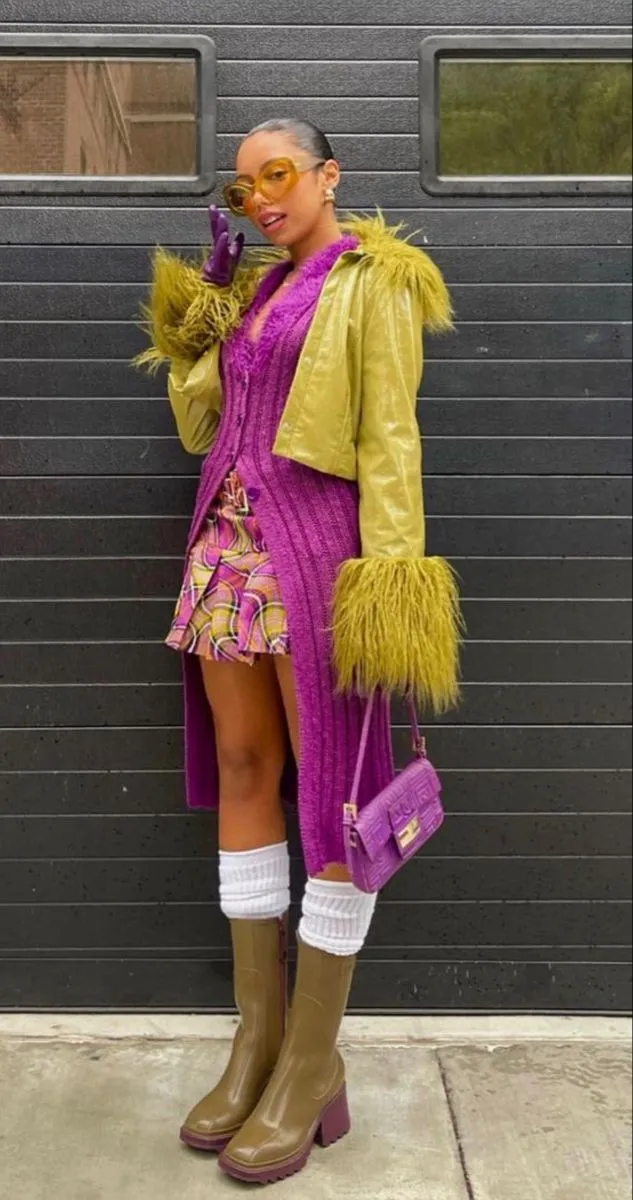
The result is a kind of temporal collage in contemporary fashion: a Gen Z outfit might combine seventies-silhouette trousers with a Y2K baby tee, nineties sneakers, and an accessory that reads vaguely Victorian. It doesn't belong to any single era because it was never meant to. It belongs to now, assembled from the parts of history that feel most resonant.
What This Means for Brands (And Your Wallet)
For fashion brands, the accelerating trend cycle is both an opportunity and a nightmare. The opportunity: there's always a new aesthetic to capitalize on, and hyper-specific niches can move serious product if you reach the right community at the right time. The nightmare: by the time a traditional retail cycle can respond to a trend, the trend has already peaked and the TikTok community has moved on.
The brands navigating this best are the ones building flexibility into their production models — smaller capsule drops, more frequent releases, heavy investment in social listening tools that can identify emerging aesthetics before they peak. New Balance's ability to ride both "dad shoe" and "clean girl" waves, for example, came from being genuinely embedded in the culture rather than just chasing it.
For consumers, the pace raises real questions about sustainability — both environmental and financial. If every aesthetic has a six-month shelf life, the pressure to constantly refresh a wardrobe is intense and expensive. The most style-savvy response isn't to chase every micro-trend, but to identify the elements within each aesthetic that align with your actual taste, and invest in those rather than the full costume.
Finding Your Signal in the Noise
Here's the counterintuitive truth at the center of the trend acceleration economy: the people who look most stylish aren't the ones who catch every wave. They're the ones who've developed enough visual fluency to cherry-pick across aesthetics — to take the silhouette from cottagecore and the color palette from dark academia and the footwear from grandpa core and make it feel intentional.
The trend cycle will keep spinning. New aesthetics will keep getting named, tagged, and sold back to us at an accelerating pace. But personal style — the kind that actually holds up and feels like you — has always been about curation over consumption.
Know the trends. Just don't let them know you.