Your Grandma Was Onto Something: How Gen Z Fell Hard for the Hobbies Nobody Thought Were Cool
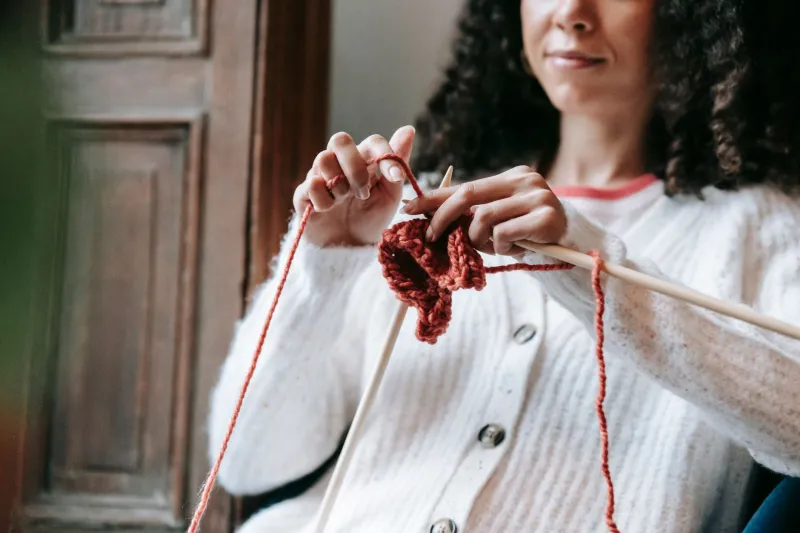
There's a 23-year-old in Portland who spends her Friday nights the same way her grandmother did in 1974 — hunched over a wooden loom, threading yarn through a half-finished wall hanging while something low-key plays in the background. She doesn't do it for content. She barely posts about it. And that, right there, might be the whole point.
Something genuinely strange and genuinely exciting is happening in American youth culture right now. After years of chasing the next dopamine hit — the next aesthetic, the next micro-trend, the next thing the algorithm decided you needed to care about — a growing slice of Gen Z is quietly stepping off the conveyor belt. They're picking up knitting needles, seed packets, hand planes, and sourdough starters. They're learning things their parents and grandparents once tried to teach them, skills that millennials largely dismissed as relics of a boring domestic past. And they're doing it with a conviction that feels less like a hobby and more like a quiet declaration of independence.
The Algorithm Didn't Suggest This
Let's be real about what makes this trend genuinely counter-cultural. We live in a moment where every interest, every aesthetic, every personality trait has a content pipeline attached to it. Even "slow living" got commodified into a TikTok niche within about fifteen minutes of people noticing it. So when a generation raised on infinite scroll starts gravitating toward activities that are, by nature, slow, tactile, and deeply resistant to going viral — that's not an accident. That's a response.
Digital burnout is the obvious explanation, and it's not wrong. Study after study has documented rising anxiety and exhaustion among younger Americans tied directly to screen time and social media consumption. But the inherited-hobby revival isn't just about logging off. It's about logging into something with actual weight to it. Something that takes weeks to finish. Something that your hands remember even when your brain is fried.
Woodworking, in particular, has seen a striking surge among people in their early-to-mid twenties. Makerspaces in cities like Austin, Chicago, and Philadelphia report waiting lists for beginner workshops that would have seemed absurd five years ago. The appeal isn't nostalgia, exactly — most of these folks didn't grow up in workshops. It's more like a hunger for competence. For proof that you made something real.
The 'Boring Girl' Aesthetic and What It's Actually Saying
If you've spent any time on the softer corners of social media lately, you've probably bumped into the "boring girl" or "quiet girl" aesthetic — an intentional embrace of the undramatic, the domestic, the deeply unsexy. Ceramic mugs. Linen aprons. A windowsill with actual dirt in the pots. It sits adjacent to the "old money" aesthetic but without the aspiration. It's less about what you have and more about what you do.
What's interesting is that this aesthetic explicitly references a domestic femininity that second-wave feminism — and honestly, a lot of millennial girl-boss culture — spent decades trying to escape. Younger women reclaiming canning, embroidery, and herb gardening isn't a retreat from progress. It's a reframe. The argument, increasingly articulated in comment sections and Substack posts and casual conversation, is that these skills were never actually uncool. They were devalued because the people who held them — mostly women, mostly working class — were devalued. Choosing to learn them now is a way of honoring that, and also of opting out of a productivity culture that only counts things you can monetize.
That's a pretty radical position dressed up in very comfortable linen.
Inherited Knowledge as a Form of Connection
Here's the part of this trend that doesn't get talked about enough: a lot of what Gen Z is picking up, they're learning directly from older family members. Not from YouTube tutorials (though those exist in abundance). From actual people. Grandparents. Aunts. Dads who built decks and never thought anyone was paying attention.
In a cultural moment defined by disconnection — from institutions, from community, from each other — there's something quietly profound about a 21-year-old asking her grandmother to teach her how to make tamales from scratch, or a college sophomore calling his dad to figure out why his tomato plants keep dying. These exchanges carry information, obviously. But they also carry something harder to quantify: the sense that you belong to a lineage, that knowledge doesn't just live on servers, that some things are worth preserving by doing them.
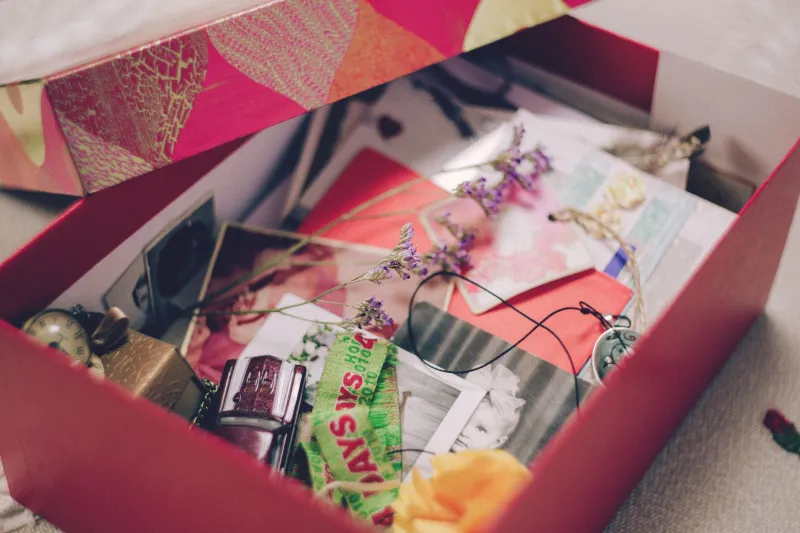
This intergenerational transmission angle also complicates the usual narrative about Gen Z's relationship with the past. Yes, they're nostalgic — but it's not the packaged, corporate nostalgia of IP reboots and throwback branding. It's something more personal and more specific. It's the smell of your grandfather's woodshop. It's a recipe written in your aunt's handwriting on an index card that's been folded and unfolded a hundred times.
When Tradition Becomes the Most Subversive Choice
Here's the tension at the heart of all this, and it's a genuinely interesting one: at what point does reclaiming tradition become its own kind of trend? The "boring girl" aesthetic already has its influencers. Cottagecore already got a Target collection. The risk, as with every authentic cultural movement, is that the market catches up and flattens it.
But there's a structural reason this particular revival might be more durable than most. The skills themselves resist commodification in a way that aesthetics don't. You can sell someone the look of a person who knits. You cannot sell them the actual hours it takes to finish a sweater. The knowledge embedded in these hobbies — the patience, the problem-solving, the tolerance for imperfection — isn't something a brand can package and ship to your door.
That's what makes this moment feel different from, say, the brief mid-2010s obsession with artisanal everything. That wave was largely about consuming craft. This one is about practicing it. And there's a version of this story where that distinction matters a lot — where the young Americans quietly learning to grow their own food, build their own furniture, and make things with their hands are developing a kind of resilience that no algorithm can optimize away.
Your grandma, it turns out, knew exactly what she was doing. It just took a generation raised on infinite scroll to figure out why.