When 'We Grew Apart' Hits Different: The Rise of Grieving Your Best Friend Like a Breakup
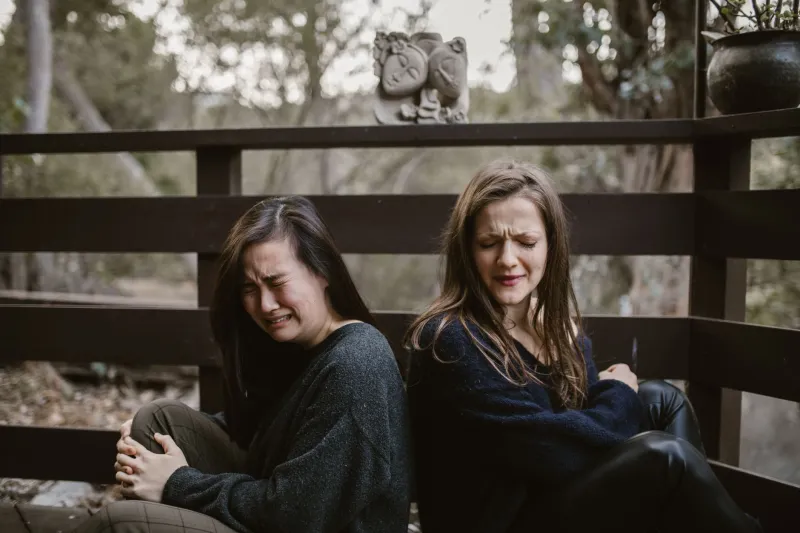
There's a specific kind of hollow feeling that comes with realizing your best friend of seven years has become a stranger. No dramatic fight, no clean ending — just a slow fade that leaves you staring at an old photo on your camera roll wondering what exactly you're supposed to do with all that grief. Until recently, the cultural script said: get over it, move on, it's not like you dated them.
But that script? Gen Z is absolutely shredding it.
Across TikTok, Substack, and podcast feeds everywhere, a new emotional vocabulary is forming around the end of close friendships — and it's borrowing heavily from the language we've always reserved for romantic loss. "Platonic breakup." "Friendship divorce." "Chosen family estrangement." These aren't just evocative phrases. They're signals of a genuine cultural reckoning with how deeply we underestimated what it means to lose someone who was never your partner but was, in every practical sense, your person.
The Grief That Didn't Have a Name
For a long time, the emotional hierarchy was pretty clear in American culture: romantic relationships sit at the top of the loss pyramid. Breakups get Ben & Jerry's, sad playlists, and the full sympathy of your social circle. Divorces get lawyers, timelines, and entire self-help sections at Barnes & Noble. But friendships? Friendships were supposed to just... dissolve quietly. You chalk it up to life getting busy, different paths, growing pains. You don't get a grieving period. You definitely don't get to call it a breakup.
That ambiguous loss — what psychologists actually call grief without social recognition — has been sitting unprocessed in a lot of people for a long time. The difference now is that Gen Z refuses to let it stay buried.
Therapy-speak has gone mainstream in a way that genuinely changed the conversation. When concepts like "attachment styles," "emotional labor," and "relational trauma" moved from clinical offices into everyday Instagram captions, it gave people permission to take their non-romantic relationships seriously. If you can have an anxious attachment to a partner, you can have one with your best friend too. And if that friendship ends, the attachment wound is just as real.
TikTok Made It Okay to Fall Apart About It
Search "friendship breakup" on TikTok and you'll find millions of views worth of people crying in their cars, narrating slow fades, and dissecting the moment they realized a close friend had emotionally checked out. The comment sections are practically support groups — hundreds of people typing "this is literally my life right now" and "I didn't know other people felt this way."
That's the thing about social media's role here: it didn't manufacture the pain, it just finally gave it an audience. And that audience validation is doing something important. When your grief gets witnessed — even by strangers — it becomes real in a way that private suffering can't quite achieve. You're not being dramatic. You're not overreacting. The algorithm is literally showing you that thousands of other people are in the same wreckage.
Podcasts have been equally instrumental. Shows like We Can Do Hard Things and countless mental health-adjacent conversation pods have dedicated entire episodes to platonic loss, estrangement, and the complicated aftermath of friendships that didn't survive adulthood. Hosts aren't treating it as a sidebar topic. They're treating it like the legitimate emotional event it is.
Why Platonic Relationships Hit Harder in This Era
Here's what makes the current cultural moment particularly charged: the conditions of modern American life have made close friendships both more vital and more fragile than ever before.
Geographic mobility means that the friend group you built in your twenties scatters across time zones within a few years. Remote work eroded the casual, low-stakes social contact that used to keep friendships alive without anyone trying very hard. The loneliness epidemic — and yes, the Surgeon General literally called it that — has left a lot of people leaning harder on a smaller number of close relationships. When those relationships fracture, the loss is disproportionately devastating because there's less of a cushion.
For many Gen Z and younger millennials, close friends weren't just social companions — they were chosen family in the most functional sense. They were the people you called at 2 a.m., the ones who knew your full story, the ones who showed up. When that ends, you're not just losing a friend. You're losing a witness to your life. That's a different category of grief entirely.
The "Friendship Divorce" Content Economy
It would be dishonest not to acknowledge that there's a content economy built around this now, and it's worth examining with some nuance. The same cultural forces that have legitimized platonic grief have also, inevitably, turned it into a niche. There are worksheets for processing friendship endings, journaling prompts for "closure you'll never get," and no shortage of creators building followings by performing their own heartbreak in real time.
Is that commodification a problem? Sort of, but not entirely. The commercialization of emotional experiences is a very American phenomenon — we've been monetizing heartbreak since the first country song. What matters is whether the underlying cultural shift is genuine, and here, it really seems to be. Therapists are reporting more clients specifically seeking help for platonic loss. The language is changing. The stigma is eroding.
The tricky part is the performance pressure. When public grief becomes a genre, there's a subtle push toward making your loss legible and relatable — which doesn't always match the messy, ambiguous reality of how friendships actually end. Most friendship breakups don't have a villain. Most of them are just two people who stopped showing up for each other in the ways they used to, for reasons neither of them can fully explain. That's a harder story to tell in a 60-second video, but it's the true one for most people.
Rewriting the Rules of Loss
What this cultural moment is really doing — beneath the TikTok tears and the therapy-speak and the podcast episodes — is quietly dismantling a hierarchy of grief that was never particularly logical to begin with. The idea that romantic love is inherently more significant than platonic love says more about how we've historically structured society around couplehood than it does about the actual emotional weight of these relationships.
Gen Z, a generation that has pushed back on so many inherited social frameworks, is essentially saying: the person who knew me best for a decade deserves to be mourned properly. The friendship that shaped who I became deserves more than a shrug and a "we just drifted apart."
That's not being dramatic. That's just being honest about what we lose when we lose each other — and finally having the cultural permission to say so out loud.


