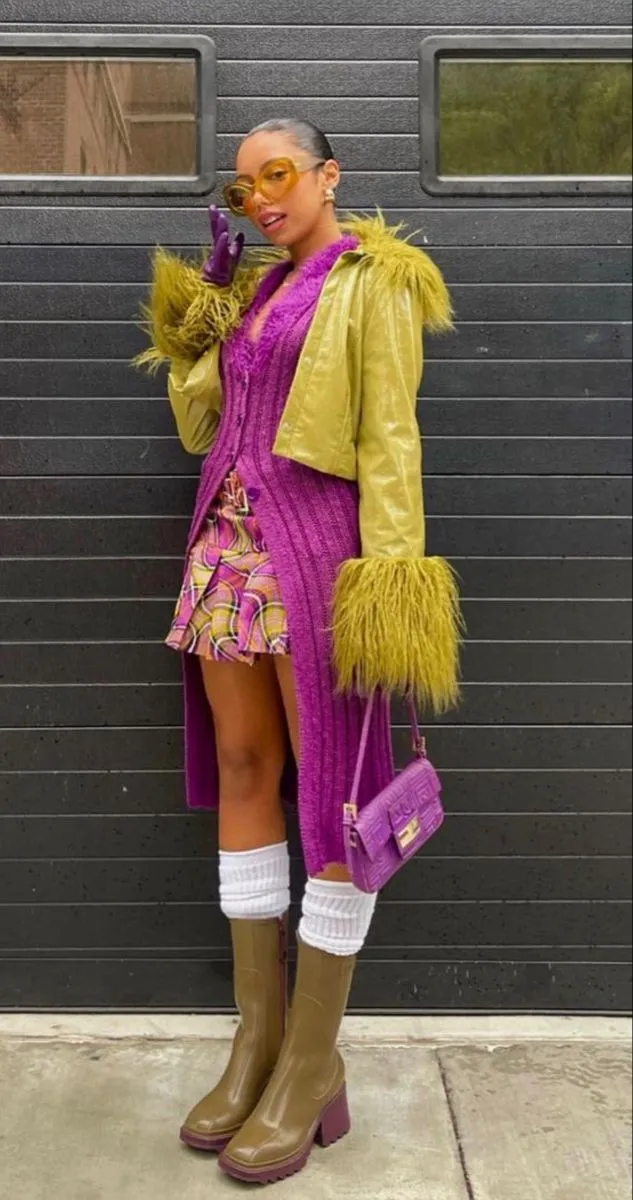
Neither Here Nor There — And That's Exactly the Point: The Demi Identity Movement Is Rewriting How We Dress, Feel, and Exist
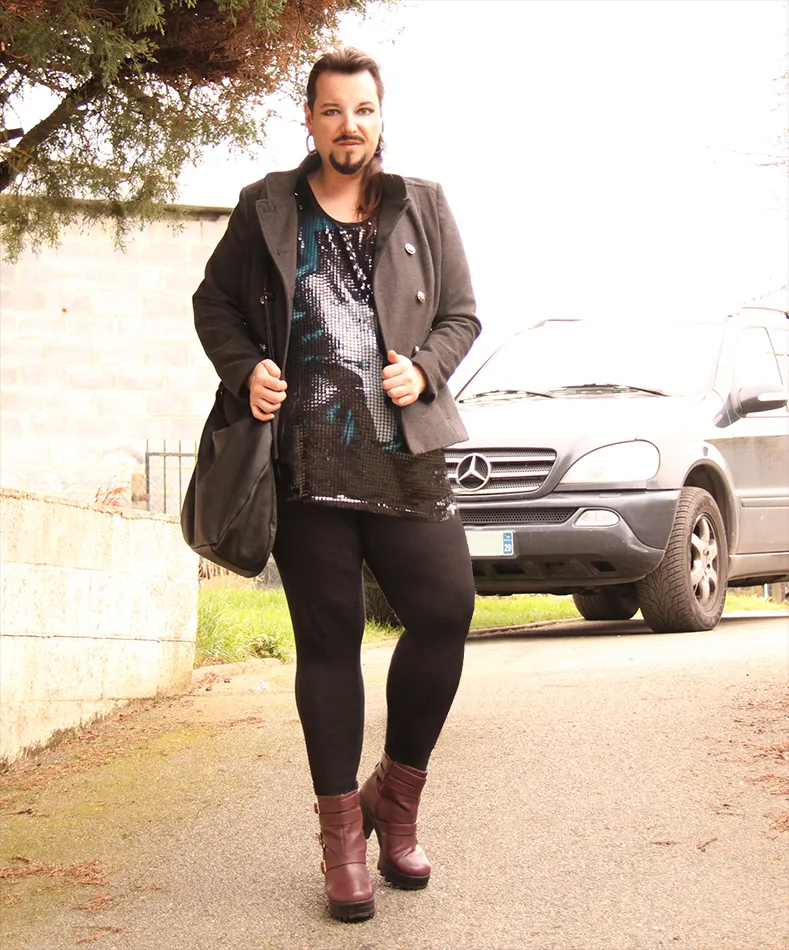
Photo: Jo59320, CC BY-SA 4.0, via Wikimedia Commons
The language of gender is expanding faster than most dictionaries can keep up with — and somewhere in that expanding vocabulary, a quieter but deeply meaningful term has been steadily gaining ground: demi.
Demigirl. Demiboy. Demi-nonbinary. Demiflux. If you've encountered these terms on social media or in conversations with younger people and found yourself curious rather than dismissive, you're in the right headspace for this piece. Because the demi identity movement isn't a trend in the fleeting sense — it's a cultural recalibration, and it's reshaping everything from runway aesthetics to drugstore beauty to the way people build their personal brands online.
So What Does 'Demi' Actually Mean?
At its simplest, a demi identity describes a partial relationship with a gender — not fully identifying with one gender, but not entirely disconnected from it either. A demigirl might feel a partial connection to femininity while simultaneously existing outside of it. A demiboy might align loosely with masculinity without claiming it as a complete or defining identity.
What makes this distinct from broader nonbinary identity is the specificity of that partiality. It's not about existing in a middle ground between two poles — it's about having a nuanced, sometimes shifting relationship with gender that resists clean categorization. And for a generation that has grown up watching every aspect of culture get flattened into binary choices — this or that, left or right, masculine or feminine — the demi framework offers something radical: complexity as an option.
"I always felt like I was borrowing from womanhood rather than living in it," says Reese, a 24-year-old content creator based in Portland who uses she/they pronouns and identifies as demigirl. "Like I could wear it for a while and then put it back down. The word 'demi' finally gave me a way to explain that without having to write an essay every time."
The Aesthetic Language of Demi
Fashion has always been one of the most immediate ways people communicate identity — and demi-identifying individuals are developing a visual vocabulary that's as layered as their gender experience.
The demi aesthetic doesn't have a single look. That's kind of the point. But certain recurring themes show up across creators, community spaces, and emerging brands: the juxtaposition of traditionally gendered garments worn together in unexpected ways, soft silhouettes that borrow from both masculine tailoring and feminine draping, an embrace of garments that feel gender-adjacent rather than gender-specific.
Think: an oversized blazer with a lace-trimmed slip dress underneath. Wide-leg trousers paired with a cropped floral top. Menswear-cut button-downs worn open over delicate camisoles. The demi aesthetic is about layering — not just literally, but conceptually. Each outfit becomes a kind of negotiation between different aspects of self.
There's also a strong DIY and vintage component. Thrifting and upcycling allow demi-identifying folks to sidestep the gender-coded sections of traditional retail entirely, building wardrobes that are personal rather than prescribed. Brands like Wildfang and Kirrin Finch, which have long built their identity around gender-expansive clothing, are seeing growing engagement from demi communities specifically.
Beauty Without Borders
If fashion is where the demi aesthetic is most visible, beauty is where it gets most personal. The beauty world has been slowly, haltingly moving toward gender-inclusive marketing for years — but the demi community is pushing that conversation into genuinely new territory.
For many demi-identifying people, beauty rituals aren't about presenting as a particular gender — they're about expressing a mood, a moment, or a facet of self that might shift from day to day. That might mean full glam one morning and a bare face with a bold cologne the next. It might mean experimenting with traditionally masculine grooming products alongside hyper-feminine makeup. The throughline isn't a look — it's intentionality.
Brands are starting to respond. Fluide Beauty, which has been a darling of the queer beauty space for a while, continues to expand its community-driven approach. E.l.f. Cosmetics has made notable strides in gender-neutral campaign imagery. And on TikTok, the #DemiBeauty tag has become a space where creators share tutorials that are less about "how to look" and more about "how to feel" — a subtle but significant shift in how beauty content is framed.
Jordan, a 21-year-old demiboy from Chicago who runs a beauty account with over 80,000 followers, puts it plainly: "I do my makeup for myself. Some days that means liner and a bold lip. Some days it means skincare and that's it. I'm not performing for anyone's gender expectations — I'm just existing in my face."
The Broader Cultural Current
The rise of demi identities doesn't exist in a vacuum. It's part of a much larger Gen Z impulse toward rejecting binary thinking across every domain of life. It shows up in how young people talk about sexuality (hello, bisexual and pansexual visibility), how they approach career (the death of the linear 9-to-5 life plan), how they consume media (the collapse of genre walls in music and film), and even how they structure relationships (the growing mainstream conversation around ethical non-monogamy and chosen family).
The common thread is a resistance to being fully claimed by any single category. Gen Z, more than any previous generation, has grown up with access to enough information and community to realize that most categories were constructed — and therefore can be deconstructed. The demi identity movement is one of the most elegant expressions of that instinct.
It's also worth noting that this isn't just a youth phenomenon in the abstract. According to recent Pew Research data, Gen Z is significantly more likely than older generations to know someone who uses gender-neutral pronouns and to personally identify outside the gender binary. These aren't fringe statistics anymore — they're demographic signals pointing toward a genuine cultural shift.
What Brands Get Wrong (and Right)
For every brand doing this thoughtfully, there are five more slapping a rainbow on their packaging in February and calling it representation. The demi community — like most marginalized communities — has a finely tuned radar for performative allyship, and they are not here for it.
What resonates? Brands that build with demi and gender-expansive communities rather than marketing at them. Brands that feature real people with real identities in their campaigns rather than ambiguously androgynous models used to suggest inclusivity without committing to it. Brands that update their size ranges, their fit descriptions, and their product categories to reflect the reality that gender isn't a reliable guide to what someone wants to wear or put on their face.
The opportunity is enormous for brands willing to do the work. The demi community is deeply loyal to the labels that see them clearly — and deeply vocal about the ones that don't.
The Takeaway
The demi identity movement is a reminder that the most interesting cultural developments rarely happen at the extremes — they happen in the nuanced, complicated, beautifully specific middle. For a generation that has been handed a world full of impossible binaries, carving out space for partial truths, shifting selves, and layered identities isn't indecision. It's sophistication.
And increasingly, it's shaping what we wear, how we groom, and what we expect from the brands and culture that want our attention. Pay attention — this one isn't going anywhere.