Sorry, Not Sorry: The Calculated Art of the Celebrity Public Apology

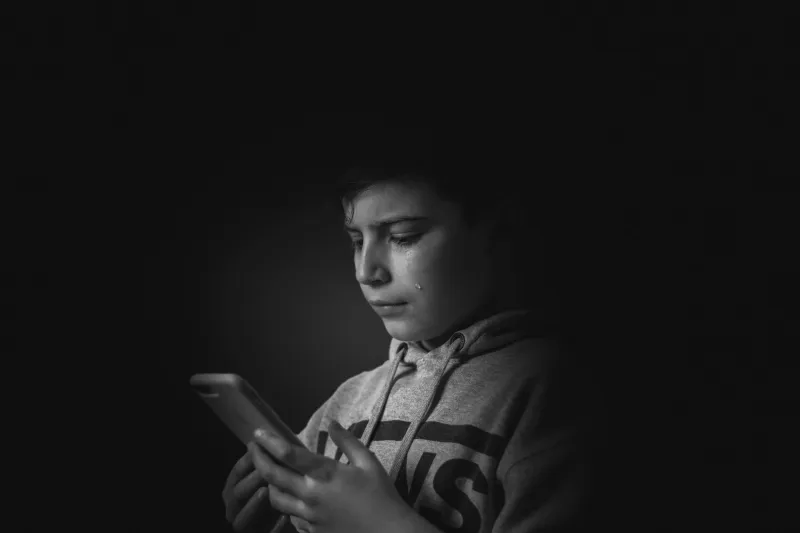
Photo by Photo by Alina Chernovolova on Unsplash on Unsplash
It always starts the same way.
Something happens — a resurfaced tweet, a hot-mic moment, a collaboration that aged badly. The comment sections detonate. The ratio is brutal. And then: silence. A carefully calibrated silence, the kind that feels loud because everyone knows what comes next.
The apology video drops, usually around 11 a.m. on a Tuesday (prime engagement hours, in case you were wondering). The lighting is soft. The background is intentionally mundane — a plain wall, a lived-in couch, nothing that reads as too polished. There are pauses. There may or may not be tears. The word "journey" appears at least once. The phrase "I've been doing the work" is practically contractual at this point.
And then the comeback tour begins.
Welcome to the Apology Industrial Complex — the strange, self-perpetuating machinery by which public figures manufacture controversy, absorb consequence, and emerge on the other side with more cultural relevance than they had going in.
The Formula Is So Established It Has a Syllabus
If you've spent any real time consuming celebrity media over the last decade, you can probably recite the apology arc from memory. Misstep — whether genuine or engineered. Strategic radio silence (long enough to let the discourse peak, short enough to stay relevant). The confessional content drop, almost always self-produced and deliberately unpolished to signal authenticity. A wave of supportive comments from fellow industry figures. A redemption narrative rolled out across podcast appearances and carefully placed magazine profiles.
The cycle is so predictable that media scholars have started analyzing it with the same frameworks they'd apply to classical narrative structure. And audiences? They've basically memorized the script too.
What's fascinating — and genuinely a little unsettling — is that knowing the formula hasn't made it less effective. If anything, the performance has gotten more sophisticated precisely because the audience got smarter. The apologies now have to account for the fact that viewers are watching for manipulation cues. So the manipulation gets subtler.
When "Authentic" Became a Production Value
There's a reason those apology videos look like they were filmed on a phone in a moment of raw vulnerability, even when they were shot, edited, and strategically timed by a crisis communications team.
Authenticity — or the visual grammar of it — is the most valuable commodity in the current attention economy. A glossy, professionally produced apology reads as corporate damage control. A shaky, intimate-feeling video reads as a real person taking accountability. The content might be identical. The packaging is everything.
This is the same dynamic that's driven the broader "performing realness" trend across social media, but in the apology context, the stakes are higher and the calculation is more pointed. PR firms have essentially reverse-engineered emotional sincerity into a deliverable. They know which platform to post on (YouTube for long-form emotional processing, TikTok for a quick "I see you" acknowledgment). They know whether to use natural lighting or a ring light (natural, always). They know how long the silence period should be based on the severity of the offense.
The result is a genre of content that functions like a documentary — intimate, personal, seemingly unmediated — while being anything but.
The Controversy-to-Comeback Pipeline
Here's where it gets genuinely strange: for some public figures, the controversy itself appears to be part of the strategy.
Consider the math. A mid-tier influencer with a stagnant following says or does something that generates significant backlash. Engagement spikes — even negative engagement is algorithmic fuel. The apology video draws massive viewership from people who weren't previously followers. The subsequent comeback content rides that expanded audience. Net result: a larger platform than existed before the "mistake."
Nobody in the industry will say this out loud, at least not on the record. But the pattern is consistent enough that it's hard to dismiss as coincidence. Some talent managers and brand strategists have quietly acknowledged, in podcast interviews and industry panels, that a well-managed controversy can function as a growth hack.
The ethical implications of that are pretty grim, especially when the "controversy" involves real harm to real people. The machinery doesn't distinguish between a poorly worded tweet and something genuinely damaging — both get fed into the same redemption pipeline.
Are Audiences Finally Catching On?
The optimistic read is that viewer skepticism is catching up to the performance. The comment sections on high-profile apology videos are increasingly split between people expressing genuine forgiveness and people dissecting the video's production choices with forensic precision. "Why is she looking slightly to the left?" "The pause before 'I'm sorry' was too long." "This is literally the same speech as last time, just reworded."
Gen Z, in particular, has developed a sharp collective eye for what gets called "accountability theater" — the performance of taking responsibility without any structural change underneath it. The critique isn't just cynical; it reflects a genuine exhaustion with a system where words are treated as equivalent to action.
But here's the less optimistic read: even the skeptical engagement is still engagement. The algorithm doesn't care whether you're watching the apology video to be moved by it or to roast it in a reaction video. Either way, you watched.
What a Real Reckoning Would Look Like
For all the sophistication of the current apology cycle, there's a conspicuous absence at its center: actual consequence.
The formula works because it's designed to fast-forward through accountability and land directly on redemption. The silence period substitutes for genuine reflection. The apology video substitutes for changed behavior. The comeback narrative substitutes for demonstrated growth. Each step is a symbol of the thing, rather than the thing itself.
The public figures who have managed to rebuild genuine trust after real missteps — and there are some — tend to have done something different. Less content, more time. Quieter, more sustained evidence of changed behavior rather than a single high-production confession. Accountability that didn't come with a rollout strategy attached.
That's a much harder sell in an attention economy built on constant content output. Which is probably why it's so rare.
So the next time a familiar face appears in your feed, softly lit and earnestly sorry, it's worth sitting with a simple question: Sorry for what, exactly — and sorry to whom? Because in the Apology Industrial Complex, those answers matter a lot less than the view count.