Nobody Wants the Lead Anymore: How Side Character Energy Became Gen Z's Most Liberating Identity
There's a particular kind of exhaustion that comes from being expected to star in your own life 24/7. Every social media platform, every self-help podcast, every motivational caption tells you the same thing: you are the main character. Act like it. Dress like it. Post like it. Build your personal brand. Optimize your presence. Be the protagonist.
Gen Z, collectively, is starting to say: no thanks.
Instead, a genuinely fascinating cultural shift is unfolding — one where younger people are actively, enthusiastically, and sometimes defiantly embracing what's being called side character energy. And the more you dig into it, the more it makes a strange kind of sense.
What Even Is Side Character Energy?
If you've spent any time on TikTok or Tumblr in the last couple of years, you've probably clocked the phrase. But it's more than just a meme format. Side character energy is an entire orientation toward life — a conscious decision to stop performing centrality and start finding meaning in the margins.
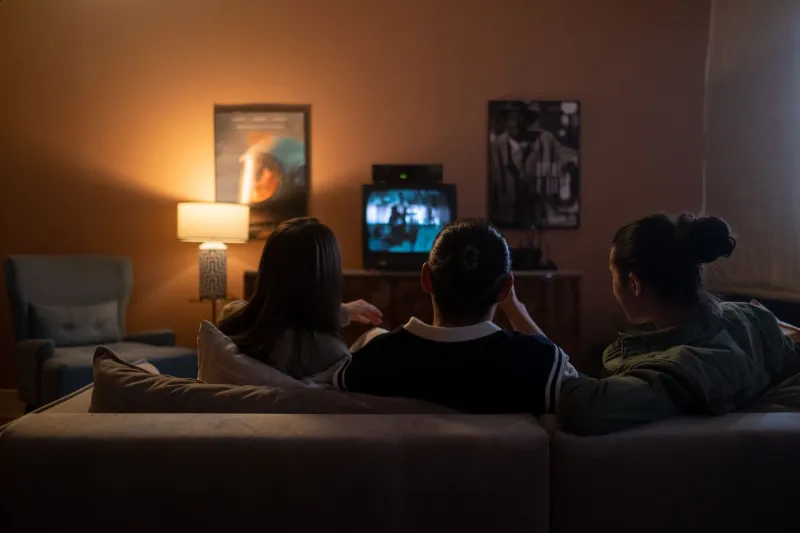
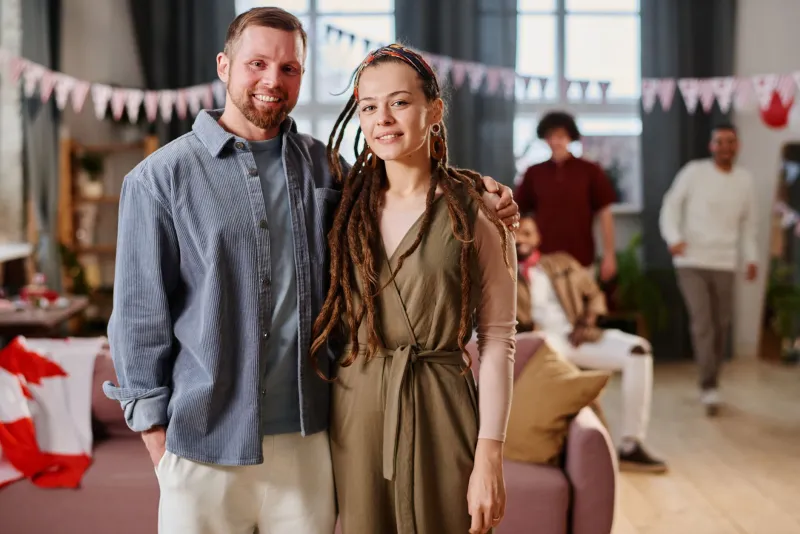
It looks like the person at the party who's happiest refilling people's drinks and overhearing three conversations at once rather than holding court. It's the TikTok creator who films themselves reacting to other people's drama rather than generating their own. It's the reader who will go to the mat defending a minor character from a YA novel over the protagonist every single time. It's the person whose entire personality, frankly, is that they are extremely invested in the secondary cast.
Crucially, it's not self-deprecation. It's not low self-esteem dressed up in aesthetic language. People who claim side character energy aren't saying they're less important — they're saying the whole framework of "importance" built around visibility and centrality is one they're choosing to exit.
The Oversaturation Problem Nobody Wants to Say Out Loud
Here's the context that makes this trend make total sense: we are living through a period of almost comically extreme personal branding pressure. Instagram, TikTok, LinkedIn, Substack — every platform is essentially a stage, and the cultural expectation is that you should be performing on all of them, consistently, compellingly, and authentically (that last one doing a lot of heavy lifting).
For millennials who grew up being told that visibility equals success, the hustle to be seen was at least partially aspirational. But Gen Z entered a landscape where everyone is already performing main character energy, constantly, all the time. The feed is wall-to-wall protagonists. And when everyone's the lead, the role loses its meaning.
Opting into the supporting cast isn't giving up. It's a rational response to a completely oversaturated attention economy. If the spotlight is blinding and everyone's fighting for it anyway, why not find something genuinely interesting happening just off to the side?
The Fandom Connection Is Real
You can't talk about this trend without talking about how it shows up in the way Gen Z consumes and discusses pop culture — because honestly, that's where it's most visible and most passionate.
Scroll through any active fandom space right now and you'll notice something: the secondary characters are eating. The side characters from Euphoria, Stranger Things, Abbott Elementary, The Bear — they're generating more fan art, more dedicated edits, more intense online discourse than the leads. People aren't just casually enjoying these characters. They're building identities around them.
There's something almost political about it. Choosing to center your emotional investment on a character the writers didn't prioritize is a quiet act of reclamation. You're deciding what matters. You're the one assigning significance. That's actually a pretty powerful position to be in.
And the community that forms around shared devotion to an overlooked character? Incredibly tight-knit. Niche fandoms built around secondary characters tend to have a warmth and intensity that mainstream fandoms sometimes lose when they scale up. The smallness is part of the point.
Ambition Isn't Dead — It Just Got Redirected
One of the most important things to understand about this trend is that it doesn't mean Gen Z has abandoned ambition. What's shifted is the direction of that ambition and the metrics it's being measured against.
The old model: ambition = visibility = status = success. Climb. Be seen. Be the one everyone's watching.
The emerging model is messier and more interesting. Ambition gets redirected toward depth — toward being really, genuinely good at something niche, toward building real relationships rather than a following, toward finding meaning in contribution rather than recognition.
A side character in a story isn't passive. They're often the ones who actually move the plot. They're the ones the protagonist turns to. They carry emotional weight, provide context, create texture. Being a supporting player isn't the same as being irrelevant — it's just a different kind of essential.
There's a reason so many Gen Z workers are quietly rejecting hustle culture's demand that they treat their careers like personal brands. The side character framework gives them language for a different relationship with work and achievement — one where your value isn't determined by how many people are watching.
The Liberation in Letting Someone Else Have the Arc
Maybe the most underrated part of this whole thing is how freeing it apparently feels.
Main character energy comes with enormous weight. You're responsible for the narrative. Every stumble is a plot point. Every success has to be documented and shared and reflected back. You're always performing, always moving the story forward, always accountable to an audience.
Side character energy lets you just... exist in someone else's story for a while. Show up, contribute something real, and then slip back into the background. No arc required. No audience to manage. No brand to protect.
In a cultural moment defined by burnout, anxiety, and the relentless pressure to self-optimize, that sounds less like a consolation prize and more like an actual escape hatch.
So What Does This Mean Going Forward?
Trend-watchers should pay attention to where side character energy shows up next, because it's already bleeding into fashion (the deliberate anti-statement outfit, the person who dresses to blend rather than to pop), into career choices (the rise of behind-the-scenes roles being talked about with genuine pride), and into relationship dynamics (the friend group member who facilitates rather than performs).
This isn't a trend about smallness or settling. It's a trend about rewriting the terms of what it means to matter. Gen Z didn't fail to become main characters. They looked at the role, read the script, and decided the supporting cast had better lines anyway.
Honestly? They might be right.