Before the Algorithm Decided Who You Were: Why Gen Z Can't Stop Rewatching Early 2000s Teen Dramas
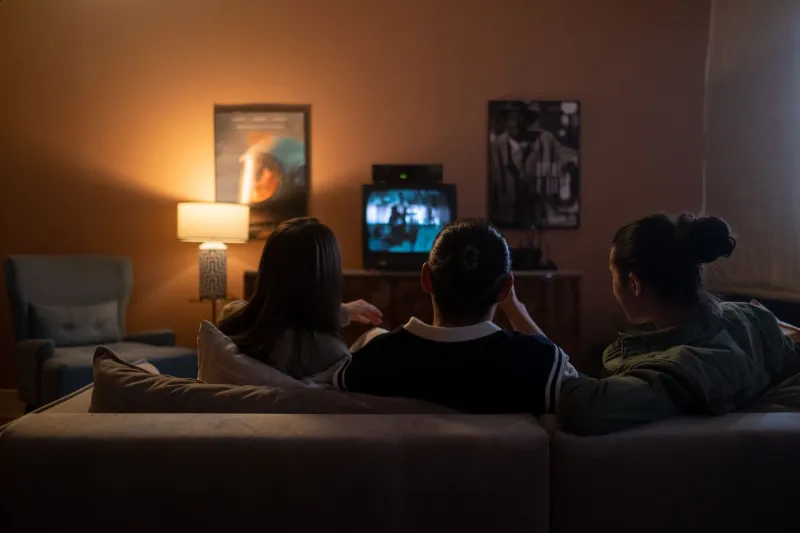
Somewhere between your third episode of One Tree Hill and the moment you catch yourself genuinely invested in whether Nathan Scott gets his basketball career back, something shifts. You stop watching as a joke. You're just... watching. And if you're Gen Z, you probably already know exactly what we're talking about.
The quiet rewatch era of early 2000s teen dramas is real, it's widespread, and it is absolutely not a bit. TikTok is full of it — earnest video essays about The O.C.'s surprisingly nuanced treatment of class anxiety, lengthy threads defending Gossip Girl's Blair Waldorf as a misunderstood girlboss ahead of her time, and teary confessionals about how One Tree Hill hit harder at 22 than it ever could have at 12. This isn't camp appreciation or cringe-watch culture. This is something more complicated, more honest, and way more interesting.
The Comfort Isn't Ironic — It's the Whole Point
For a generation raised on content engineered to provoke, optimize, and monetize their attention, there's something almost shockingly soothing about television that just... exists. Those early 2000s dramas weren't designed by engagement algorithms. They weren't A/B tested for maximum emotional manipulation. They were written by people in writers' rooms who thought teenagers deserved stories that took their feelings seriously — even when those stories were messy, melodramatic, and occasionally absurd.
That lack of optimization is, paradoxically, what makes them feel so human right now.
Gen Z grew up watching content that was increasingly aware of being watched — creators performing authenticity, platforms rewarding outrage, aesthetics shifting every six months under the weight of trend cycles that burn out before they even fully ignite. Against that backdrop, watching Ryan Atwood silently stare at the Newport skyline while a Death Cab for Cutie track swells underneath feels less like nostalgia and more like oxygen.
There's no engagement hook. No call to action. Just a kid from Chino trying to figure out where he belongs. And apparently, that's exactly what a lot of people need right now.
A Blueprint from Before the Chaos
Here's where it gets genuinely interesting. A lot of Gen Z viewers engaging with these shows weren't old enough to watch them during their original runs — or weren't born yet. So this isn't technically their nostalgia. It's borrowed nostalgia, or maybe something better described as cultural archaeology.
They're digging through these shows not to relive a past they remember, but to understand a world that functioned differently. A world where your social identity wasn't constructed in real time, publicly, with a follower count attached. Where friendship drama played out in hallways and on landlines rather than in comment sections and group chats that screenshot everything. Where the worst thing that could happen socially was getting written about in the school newspaper — not going viral.
What Gen Z is finding in these dramas is a kind of pre-digital social map. The hierarchies are recognizable — popularity, exclusion, the terror of being misunderstood — but the stakes feel almost quaint in comparison to the permanent, searchable, shareable social consequences young people navigate today. Watching characters fumble through identity formation without an audience of thousands is both foreign and deeply comforting.
The Recontextualization Is Everything
It would be easy to dismiss this trend as simple escapism — and sure, some of it is. But what's more compelling is the way Gen Z viewers are actively recontextualizing these shows through a contemporary lens, and the conversations that's generating.
Take Gossip Girl. The original audience watched Blair and Serena's friendship as high-stakes entertainment. Gen Z is watching it as a case study in how social hierarchies weaponize female friendship, how class and beauty become tools of control, and how the performance of effortless perfection destroys the people performing it. The show hasn't changed. The interpretive framework has.
Same with The O.C. What read as a rich-people soap opera in 2003 is now being dissected as a surprisingly sharp critique of wealth, belonging, and the myth of meritocracy. Ryan Atwood isn't just the brooding outsider anymore — he's a lens through which younger viewers are examining questions about class mobility that feel urgently relevant in 2024.
One Tree Hill gets the most earnest treatment of all. The show's willingness to sit with grief, trauma, and the specific loneliness of feeling misunderstood in your hometown resonates deeply with an audience that has been told their emotional experiences are content to be optimized rather than feelings to be processed.
What We're Actually Looking For
At the core of this rewatch trend is something that goes beyond the shows themselves. Gen Z is, broadly speaking, exhausted. Exhausted by the relentless performance demands of social media, by the anxiety of existing in a world where every cultural moment is immediately commodified, by the pressure to have an aesthetic and a brand and a niche and a take — all at once, all the time.
These early 2000s dramas offer something increasingly rare: a contained world with a beginning, middle, and end. Characters who grow and change without needing to go viral to matter. Friendships that are complicated and real and not sponsored. Problems that get resolved in 42 minutes, more or less.
There's also something worth naming about the specific appeal of pre-smartphone adolescence as a concept. For Gen Z, who inherited the smartphone and social media as a given rather than a novelty, watching teenagers navigate identity and belonging without those tools isn't just nostalgic — it's almost utopian. What would it have been like, the thinking seems to go, to figure out who you are without everyone watching?
The Culture Is Listening
The entertainment industry has clearly clocked this energy. The Gossip Girl reboot tried to capture it and mostly stumbled because it was too self-aware, too online, too optimized. The original's success came from its sincerity — even the over-the-top moments were played straight. That's a lesson the rewatch trend keeps underscoring: Gen Z doesn't want a knowing wink. They want something that actually means it.
Expect this appetite to influence what gets greenlit in the next few years. Showrunners and networks are paying attention to what's being streamed, what's being talked about, and what emotional needs aren't being met by current content. The early 2000s teen drama revival might just be the clearest signal yet that there's a massive, underserved hunger for stories that take young people seriously without turning them into content.
The Verdict
Gen Z rewatching The O.C. isn't a punchline. It's a dispatch from a generation trying to understand what friendship, identity, and growing up could look like outside the architecture of platforms built to monetize their attention. They're not retreating into the past — they're mining it for something the present hasn't figured out how to give them yet.
And honestly? Seth Cohen would have had a lot to say about all of this. Probably while referencing an obscure comic book. We'd have listened.