The Rollout Ate the Movie: Hollywood's Real Product Is the Hype Cycle Now
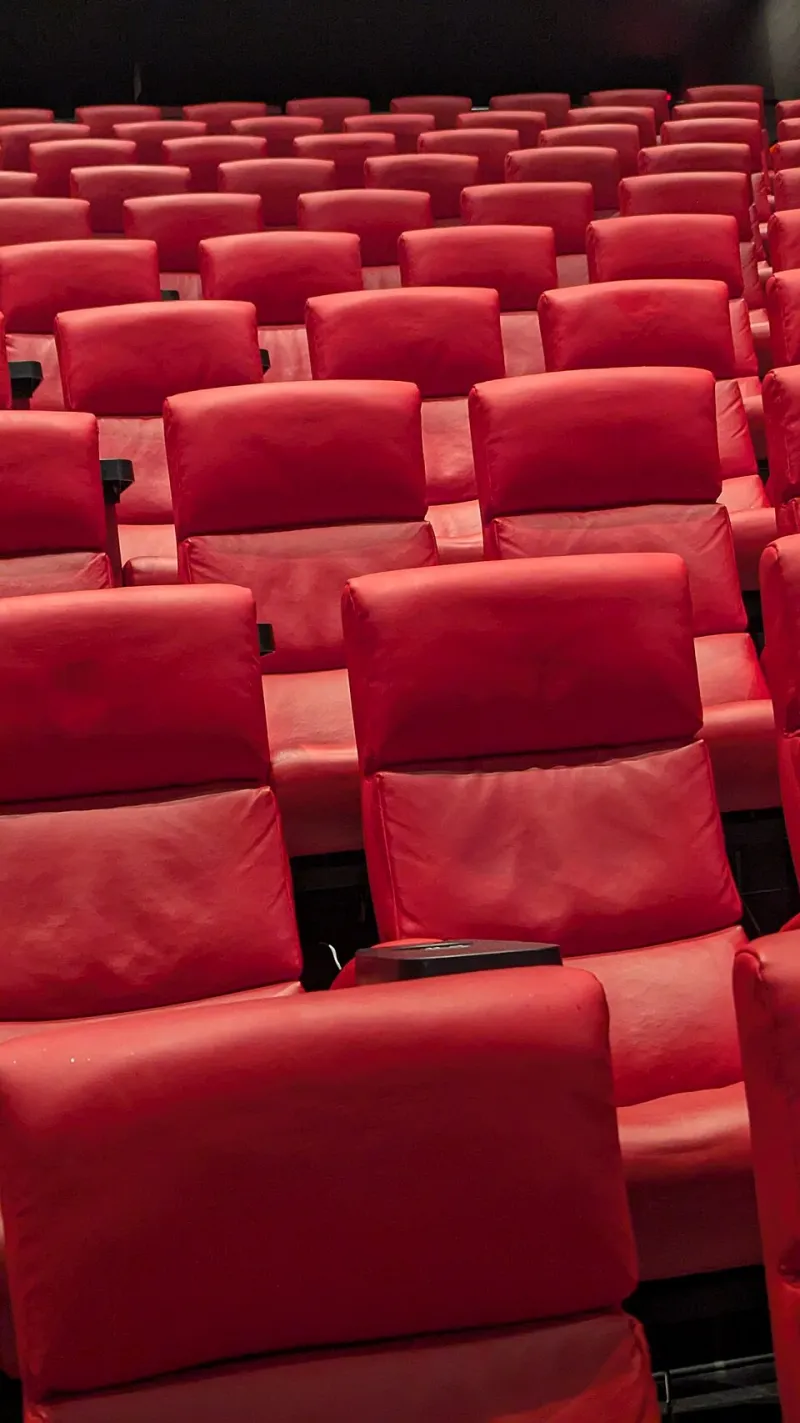
Photo: Eden, Janine and Jim from New York City, CC BY 2.0, via Wikimedia Commons
I saw the trailer for a movie forty-one times before I saw the movie. Not on purpose. It was just there — before another video, in a group chat, cut into a reaction clip, remixed with a slowed-down song, re-edited by a fan who guessed the ending and got it wrong in a way that was more fun than the actual ending. By the time I sat down in the theater, I had already consumed the film's most exciting ninety seconds at least three dozen times.
And that, more than anything, is the deal we've all quietly signed.
The funnel has officially inverted
Marketing used to be a hallway. You walked through it to get to the room — the movie. Now the hallway is the destination, and the room is where you go to buy a poster.
Look at how a release works in 2026. A cryptic fifteen-second clip with no title. A date. A countdown account with zero posts. A leaked-sounding still that is not a leak. Then a teaser, then a 'official teaser reaction,' then a full trailer, then a second trailer because the first one did numbers, then a red-band version, then a behind-the-scenes featurette that is really just more trailer with interviews glued on. The campaign has its own pacing, its own cliffhangers, its own fandom, its own discourse. It is, functionally, a season of television.
And it's often better television than the film.
Why the trailer outcompetes the thing it's selling
A trailer is a solved art form. Two minutes, no act-two slump, no third-act problem, no runtime. Every beat is engineered. The music swells at exactly the right frame. Nothing is boring, because boring is what got cut.
A movie has to be a whole movie. It has to sit in silences, develop a character, risk a slow middle. The trailer never has to do any of that. So of course the trailer wins on vibes — it's playing a different, much easier game.
Then there's the theory economy. Fans building elaborate speculative maps is free marketing, and studios know it. The tease-withholding pattern has become a business model: give just enough that the internet can fill the space with its own content, then let that content sell the ticket. The audience doesn't just anticipate the movie anymore. We co-write the campaign.
We keep falling for it because it feels like belonging
I want to be fair to us. Falling for a rollout isn't stupidity — it's participation. Speculating in a group chat at 1 a.m. about what a three-second shot means is a social activity. It's a way of being early to something together. The hype cycle gives us a shared calendar in a culture with almost no shared calendar left.
That's the part the cynics miss. The rollout isn't stealing the experience. For a lot of people, it is the experience — and it's a genuinely good one. The problem is what happens after.
What gets lost when the campaign is the content
Two things, and they matter.
First, movies get judged on their marketing. A movie with a phenomenal trailer and a merely good final cut reads as a disappointment. A movie with a bad trailer and a great final cut dies quietly. We've handed our taste over to the people whose job is to sell, not to make.
Second, the mid-budget film gets squeezed out. A campaign this elaborate costs real money. If the rollout is the product, then only the projects that can afford a spectacular rollout get to exist at scale. Everything else becomes a surprise hit or nothing at all. That's a narrowing of what gets made, disguised as a widening of what gets talked about.
The industry's quiet bet
Here's what I think actually happened: studios looked at the numbers and realized they're not really in the movie business anymore. They're in the event business. Opening weekend is the product. The film itself is the merch table — something you buy to prove you were there.
And audiences are starting to notice. There's a growing, very visible fatigue with the three-month tease for a two-hour thing that arrives and immediately evaporates. People are waiting. People are skipping opening weekend. People are treating the campaign as the whole experience and staying home, which is a genuinely rational response to being sold a feeling for months and handed a product at the end.
A modest proposal
If the rollout is the main event, let's stop pretending otherwise. Release the teaser as a short film. Credit the editors. Put the campaign in theaters as a standalone thing and charge for it — I'd buy that ticket, honestly.
Or, option two, and I know this is radical: show less. One trailer. One date. Let the movie be the surprise. Trust that the thing you spent $200 million making can carry a weekend without a seventeen-month drumroll.
The hype cycle isn't going anywhere — it works too well on all of us. But there's a version of this where the campaign is the appetizer again instead of the entrée. And honestly, I'd like to be surprised by a movie one more time. Forty-one trailers in, that's the only special effect left.